Essential Resources for Accurately Balancing Your Modular Home


Balancing a mobile home is vital for preserving its structural stability and ensuring the comfort of its residents. Over time, multiple factors like earth factors, environmental shifts, and foundation shifts can cause your mobile home to shift. This not only affects the appearance of your home but can also lead to severe issues such as foundation damage, tilted flooring, and potentially difficulties in sealing doors and fenestrations. Grasping the necessity of leveling and how to do it is important for every mobile home proprietor.
In this guide, we will take you through the necessary tools and strategies needed to properly level your mobile home. If you are a seasoned DIY fan or a new homeowner, you will find comprehensive steps, valuable tips, and solutions to common questions. From verifying level using simple tests to addressing uneven floors, we will explore everything you need to know to ensure a sturdy and inviting living area. So, let's begin and boost How to level a mobile home .
Grasping Mobile Home Leveling
Leveling a mobile home is vital for ensuring its structural stability and providing the well-being of its occupants. With time, factors such as soil settling, changes in moisture, and freeze and thaw cycles can result in your mobile home to displace and become uneven. This tilt can lead to a host of problems, including tilted floors, misaligned doors, and compromised plumbing. Understanding the necessity of leveling is essential for all mobile home proprietor.
To determine whether your mobile home is level, you can conduct basic tests using tools like a liquid level or a laser measuring device. These procedures help determine if adjustments are needed. When a mobile home is misaligned, the frame can become strained, which may cause damage to the structure in the long run. Frequent checks can prevent homeowners from high-cost maintenance and discomfort down the line.
Leveling involves not just lifting the home to a straight position but also confirming that it remains steady. This procedure may require multiple tools and supplies, including jacks, blocks, and shims. Additionally, acknowledging the factors that contribute to an uneven home, such as inadequate drainage or inadequate foundation support, is essential. Correct leveling techniques and care can lead to a safer and more stable and more enjoyable living environment.
Essential Instruments and Techniques
When leveling your mobile home, having the correct tools is vital for success. A level, whether it is a standard spirit level or a sophisticated laser level, is necessary for ensuring that your home is exactly horizontal. In addition, a hydrostatic level can provide accuracy over longer distances when dealing on bigger homes. These tools help you identify any height variations and guide you through the leveling process.
Another key component is a set of lifting devices, which are used to elevate your mobile home when adjustments are needed. installing skirting on a mobile home is particularly beneficial for lifting corners or sections that are substantially lower than the remaining sections. Along with jacks, you will need sturdy blocking materials, such as treated wood blocks or piers, to provide stable support once you've leveled the home. Ensure these materials are suitable for outdoor use and can tolerate moisture and weather variations.
In conclusion, don't overlook lesser tools that can make your job easier. A tape measure, for instance, helps you determine distances and ensure accuracy when adjusting heights. Leveling wedges, made of synthetic materials or steel, can also be handy for fine-tuning small adjustments after your home has been elevated. Having these critical tools and techniques at your disposal will simplify the leveling process and ensure a secure and level mobile home.
Frequent Errors and Problem-Solving
One frequent error many residents make when leveling a manufactured home is neglecting assess the terrain and soil conditions before initiating the process. Not to recognize how soil settles can lead to persistent issues with stability. It’s essential to inspect the area underneath and surrounding your home, as subpar drainage or unstable soil can thwart your efforts and cause the home to become out of level more quickly after adjustments.
Another regular mistake is not using the proper leveling tools or techniques. Many DIYers attempt to use unscientific approaches without employing a water level or laser level, which can result in mistakes. This misstep can lead to uneven surfaces and structural problems down the line. When leveling, always double-check your work using dependable tools to ensure the home is set accurately.
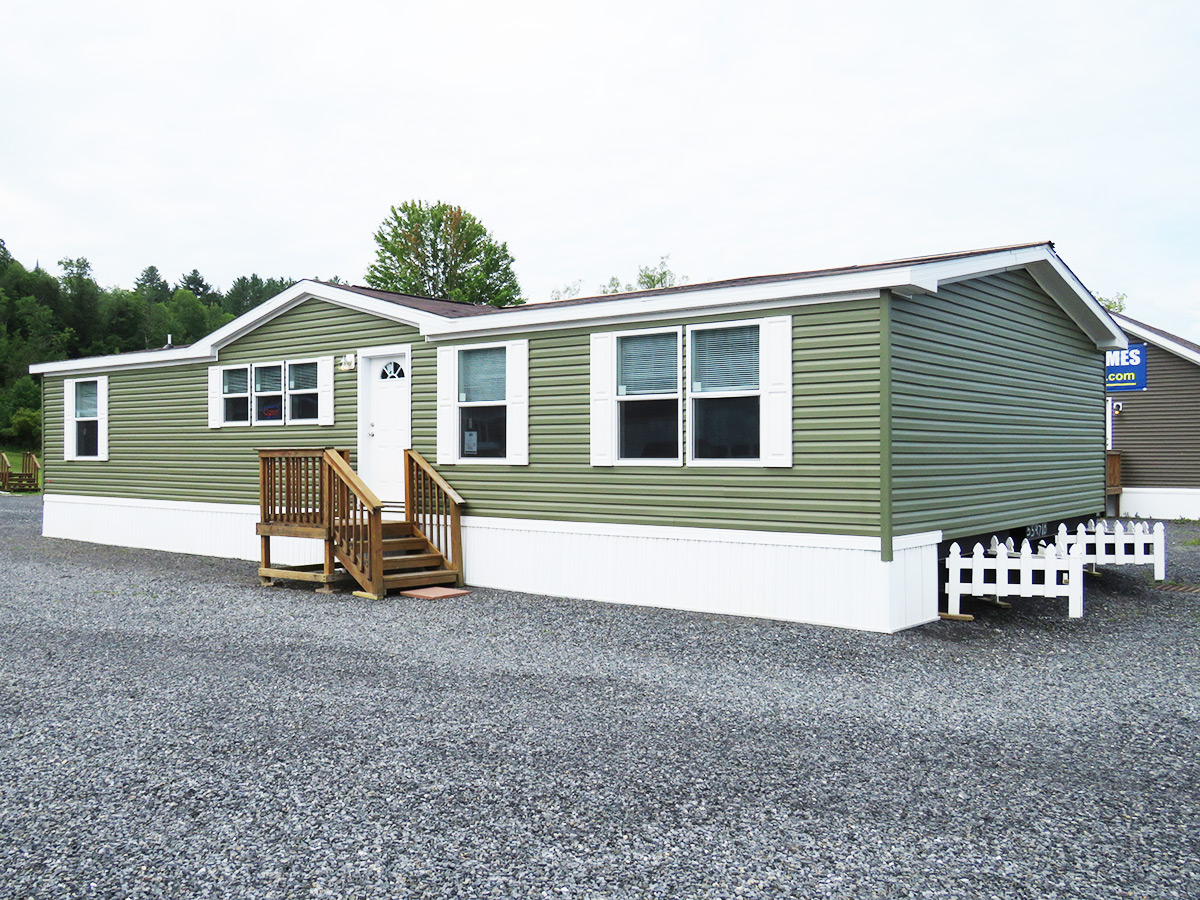
Troubleshooting can also be tricky if you do face issues after leveling. Stick to a checklist to identify the specific signs of imbalance and ensure you address the main problem rather than just the surface issues. For instance, if you notice doors not closing properly or windows cracking after leveling, it might require reinforcements or a second look of your leveling work. Keeping track of changes and conducting regular checks can help you maintain the balance of your mobile home over time.
Lonestar Mobile Home Leveling & Skirting
276 County Rd 1700
Clifton, TX 76634
(254)266-5369